
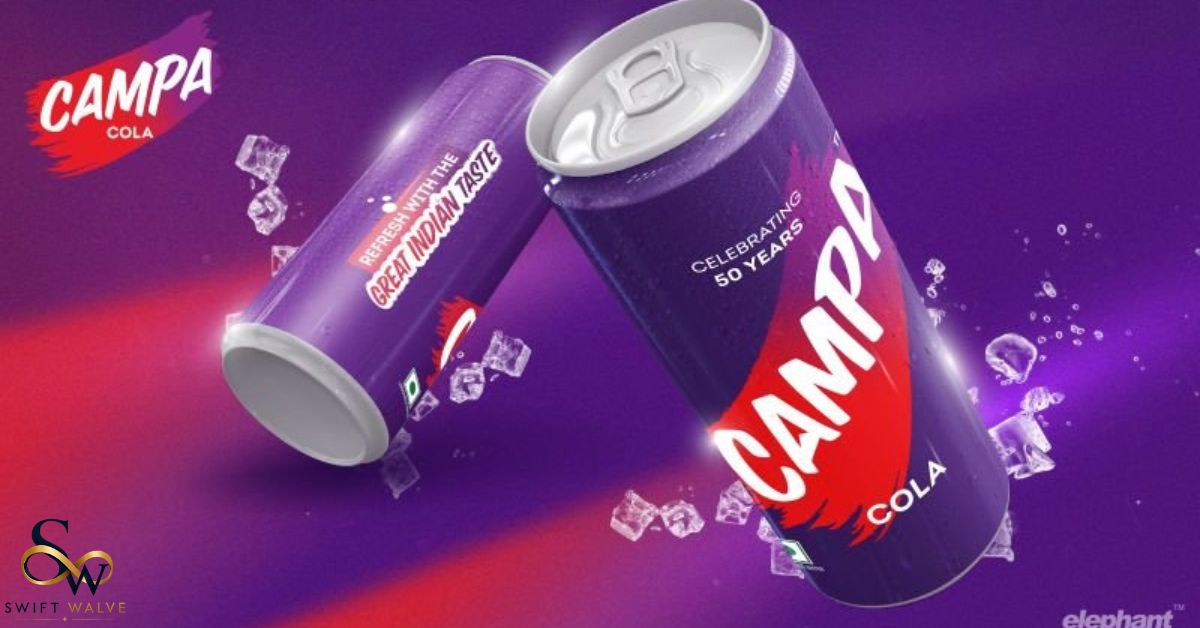

The story of _Mohan Singh_ is closely tied to the rise of one of India’s most memorable soft drink brands. Known as the Campa Cola founder and a visionary Indian entrepreneur, he transformed a local business idea into a nationally recognized beverage company during a time of major economic change.
His leadership helped create a trusted Indian soft drink brand that competed with global giants and earned the loyalty of millions. If you’re searching for the Campa Cola owner name, the history of the brand, or the remarkable journey behind its success, this guide brings together well-researched facts, business milestones, and the lasting influence of a pioneer who helped shape the Indian beverage industry.
Contents
| Section | What You’ll Learn |
| Early Life and Business Vision | Mohan Singh’s background, entrepreneurial mindset, and business goals |
| The Rise of Campa Cola | How Campa Cola became a leading Indian beverage brand |
| Challenges and Market Decline | Competition, economic reforms, and the brand’s decline |
| Legacy and Impact | Mohan Singh’s influence on Indian business and Campa Cola’s lasting popularity |
| Conclusion | Key lessons from Mohan Singh’s entrepreneurial journey |
Early Life and Business Vision
Every successful business begins with a person who sees opportunity where others see uncertainty. Mohan Singh, widely recognized as the Campa Cola founder, demonstrated that kind of vision throughout his entrepreneurial career. Born into a business-oriented family, he developed an understanding of trade and customer needs from an early age. Rather than following established paths, he focused on creating products that reflected local tastes and preferences. His practical mindset and willingness to take calculated risks helped him establish a strong foundation for future success. Long before becoming associated with beverages, he gained valuable experience in manufacturing and business management, experiences that later proved essential in building a nationally recognized company.
As India’s economy evolved during the 1970s, Mohan Singh identified a major gap in the beverage market. The departure of international soft drink companies created an opportunity for domestic manufacturers to introduce products designed specifically for Indian consumers. Instead of viewing this period as a challenge, he saw it as the perfect moment to build a respected Homegrown cola brand capable of competing on quality and taste. His goal extended beyond selling soft drinks. He wanted to prove that an Indigenous Indian brand could stand alongside global competitors through innovation, affordability, and consumer trust. This long-term vision eventually became the driving force behind one of the country’s most recognizable beverage success stories.
Business Philosophy Behind Mohan Singh’s Success
What made Mohan Singh different from many entrepreneurs of his time was his commitment to understanding ordinary consumers. He believed that a successful product should be affordable, reliable, and enjoyable for families across the country. Rather than copying international formulas, he encouraged innovation that reflected local preferences. This customer-first approach became a defining characteristic of both his leadership style and the future identity of Campa Cola.
His business philosophy also emphasized resilience and adaptability. Markets change, consumer habits evolve, and competition grows stronger over time. Mohan Singh understood these realities and built his businesses with long-term thinking rather than short-term gains. That strategic mindset helped him become one of the respected names in India’s growing industrial landscape.
Quick Facts About Mohan Singh
| Category | Details |
| Full Name | Mohan Singh |
| Known For | Campa Cola founder |
| Profession | Indian entrepreneur and industrialist |
| Industry | Indian beverage industry |
| Famous Brand | Campa Cola owner and founder of the iconic beverage company |
| Business Vision | Build a trusted Homegrown cola brand |
| Legacy | Helped establish an Indigenous Indian brand during a changing economic era |
| Recognition | Pioneer of one of India’s most memorable beverage brands |
The success of Mohan Singh’s vision was not based on luck alone. It came from understanding market conditions, believing in Indian manufacturing, and creating products that connected with millions of consumers. His entrepreneurial journey laid the groundwork for a brand that would soon become a household name and reshape the country’s soft drink market. In the next section, you’ll discover how Campa Cola history unfolded and why the brand became one of the most celebrated names in the Indian beverage industry during the Campa Cola 1970s era.
The Rise of Campa Cola

A remarkable opportunity emerged in the late 1970s when India’s beverage market underwent a dramatic transformation. Following the Coca-Cola exit India (FERA) after the implementation of the Foreign Exchange Regulation Act, millions of consumers suddenly found themselves without one of the world’s most recognized soft drinks. Instead of viewing this change as a setback, Mohan Singh recognized an opening for a truly Homegrown cola brand. He launched Campa Cola in 1977, giving Indian consumers a locally produced alternative that celebrated national identity. This decision marked the beginning of an extraordinary chapter in the Campa Cola brand history. The company didn’t simply introduce another soft drink. It introduced confidence in Indian manufacturing and demonstrated that an Indigenous Indian brand could compete successfully in a challenging marketplace.
Consumer acceptance grew rapidly because the company focused on quality, affordability, and flavor. The memorable Campa Cola slogan “The Great Indian Taste” became more than clever advertising. It represented pride in choosing an Indian-made product during a period of economic self-reliance. Alongside the original cola, the company expanded its portfolio with Campa Orange and Campa Lemon, giving families refreshing choices for different tastes and occasions. These beverages soon became common sights in neighborhood stores, restaurants, school canteens, and social gatherings. Throughout the Campa Cola 1970s and especially the Campa Cola 1980s, the brand established itself as an Iconic Indian soft drink that appealed to children, teenagers, and adults alike. Its steady growth reflected the public’s trust in products that combined consistent quality with familiar flavors.
Why Campa Cola Became a Household Name
Campa Cola’s popularity wasn’t built on advertising alone. The company invested heavily in distribution, ensuring its drinks reached both large cities and smaller towns. This widespread availability allowed consumers across India to enjoy the same refreshing experience regardless of location. Retailers appreciated the brand’s reliable supply chain, while customers valued its competitive pricing and recognizable taste. As a result, the Indian soft drink brand steadily expanded its market presence and earned loyal customers who continued choosing it over imported alternatives.
The growing success of Campa Cola also reflected changing consumer attitudes. Many people wanted to support domestic businesses during a period when India emphasized self-reliance and local production. This cultural connection strengthened the relationship between the brand and its audience. The frequently discussed comparison of Campa Cola vs Coca-Cola became more than a debate about flavor. It symbolized the confidence of Indian businesses competing against multinational corporations. For many consumers, buying Campa Cola meant supporting innovation created within their own country.
Campa Cola Product Portfolio During Its Peak
| Product | Description | Market Appeal |
| Campa Cola | Classic cola-flavored soft drink | Flagship product with nationwide popularity |
| Campa Orange | Orange-flavored carbonated beverage | Popular among families and young consumers |
| Campa Lemon | Lemon-flavored refreshing drink | Known for its crisp and refreshing taste |
The remarkable rise of Campa Cola transformed it into one of the strongest names in the Indian beverage industry. Under the leadership of Mohan Singh, the company proved that a locally developed product could earn nationwide trust and challenge international competitors. Even decades later, discussions about Campa Cola history continue to highlight this period as one of the most significant success stories in India’s consumer goods sector. The brand’s rapid growth demonstrated that vision, timing, and a deep understanding of customer preferences could create a lasting business legacy.
Challenges and Market Decline

Success rarely lasts forever without adapting to changing market conditions, and Campa Cola eventually faced one of the toughest periods in its history. During the early 1990s, India economic liberalization transformed the country’s business environment by opening markets to global companies. This policy shift allowed multinational beverage giants to return, leading to the highly anticipated Coca-Cola and Pepsi re-entry India. While this development offered consumers more choices, it also created intense competition for domestic brands. Despite its loyal customer base, Campa Cola suddenly found itself competing against corporations with enormous marketing budgets, advanced distribution networks, and international brand recognition. The challenge was no longer about producing a quality drink. It became a battle for visibility, shelf space, and consumer attention in a rapidly evolving marketplace.
At the same time, changing lifestyles influenced purchasing decisions. Younger consumers became increasingly attracted to global brands that promoted modern lifestyles through celebrity endorsements, television advertising, and large-scale promotional campaigns. Campa Cola continued to enjoy support from many long-time customers, yet maintaining nationwide market share became increasingly difficult. This period marked the beginning of the widely discussed Campa Cola market decline. The company’s products remained familiar to many households, but aggressive competition gradually reduced its presence in stores across the country. Even so, the brand retained a special place in the memories of millions who had grown up enjoying its refreshing taste during the Campa Cola 1980s.
Why Campa Cola Lost Market Leadership
Several factors contributed to the decline of Campa Cola, and each reflected broader economic changes rather than weaknesses in the original product. The return of multinational beverage companies dramatically increased advertising spending across the industry. Consumers were exposed to constant marketing campaigns, sponsorships, and celebrity endorsements that reshaped buying habits. Smaller domestic brands struggled to match these investments, making it difficult to remain equally visible in a highly competitive environment.
Distribution also became more demanding. Global beverage companies built extensive supply chains that reached nearly every corner of the country with remarkable efficiency. As retail competition increased, supermarkets and local stores often prioritized internationally recognized products with stronger promotional support. Even though Campa Cola brand history remained rich and respected, market realities favored companies with greater financial resources and larger operational networks. The comparison of Campa Cola vs Coca-Cola gradually shifted from product preference to differences in business scale and marketing power.
Factors Behind Campa Cola’s Market Decline
| Factor | Impact on Campa Cola |
| India economic liberalization | Opened the market to global beverage companies. |
| Coca-Cola and Pepsi re-entry India | Intensified competition with established international brands. |
| Heavy Advertising by Competitors | Reduced Campa Cola’s visibility among younger consumers. |
| Expanding Distribution Networks | Global companies secured stronger retail presence nationwide. |
| Changing Consumer Preferences | International brands gained popularity through modern marketing. |
| Limited Brand Expansion | Domestic growth became more challenging in a highly competitive market. |
Although this chapter represented a difficult period, it did not erase Campa Cola’s importance in India’s business history. Instead, it demonstrated how rapidly market conditions can change when economies open to international competition. The resilience of Mohan Singh’s vision continued to inspire entrepreneurs because the brand had already proven that an Indian soft drink brand could successfully compete on a national level. Even after its decline, Campa Cola remained an Iconic Indian soft drink remembered with affection, laying the foundation for renewed public interest and the later conversation surrounding the Campa Cola revival.
Legacy and Impact

Great brands often outlive their peak years because they leave behind memories, trust, and cultural significance. That is exactly what happened with Campa Cola. Although the company faced stiff competition after the return of international beverage giants, its influence on the Indian beverage industry never disappeared. The vision of Mohan Singh proved that an Indian entrepreneur could successfully build a nationally recognized Homegrown cola brand without relying on foreign ownership or international backing. During its golden years, Campa Cola became more than just a soft drink. It represented confidence in Indian innovation and encouraged consumers to support locally produced products. For many families, sharing a bottle of Campa Cola during celebrations, school holidays, and family outings became a cherished tradition that still brings back warm memories today.
As business historians look back at the Campa Cola brand history, they often describe it as one of India’s most influential consumer success stories. The company demonstrated that understanding local tastes and building customer trust could create a powerful market presence. Its famous Campa Cola slogan “The Great Indian Taste” perfectly captured this philosophy by celebrating Indian identity through a simple yet memorable message. The popularity of Campa Orange and Campa Lemon further strengthened the company’s reputation, showing that product diversity could help satisfy different consumer preferences. Even decades later, discussions about Campa Cola nostalgia continue across social media, business forums, and marketing case studies. This lasting emotional connection highlights the remarkable impact that the brand had on several generations of consumers.
The Campa Cola Revival and Its Modern Relevance
History often comes full circle, and the recent Campa Cola revival demonstrates how powerful a trusted brand can remain even after years away from the spotlight. Renewed consumer interest in heritage products has introduced Campa Cola to a younger generation while reconnecting older customers with familiar memories. The revival has sparked fresh conversations about the achievements of Mohan Singh, reminding people that the brand’s success was built on quality, affordability, and a deep understanding of Indian consumers rather than short-term marketing trends.
Business experts frequently cite Campa Cola as an excellent example of brand resilience. Even after facing intense competition, the company’s reputation survived because consumers associated it with authenticity and national pride. Modern entrepreneurs also study the story as a lesson in identifying market opportunities, building customer loyalty, and adapting to changing economic conditions. The renewed visibility of Campa Cola proves that a strong brand identity can remain valuable for decades when it is rooted in trust and meaningful customer experiences.
Campa Cola’s Lasting Contributions
| Contribution | Long-Term Impact |
| Homegrown cola brand | Inspired confidence in Indian-owned consumer brands. |
| Indian soft drink brand | Demonstrated that local companies could compete nationally. |
| Campa Cola brand legacy | Became a benchmark for successful domestic beverage businesses. |
| Iconic Indian soft drink | Created lasting emotional connections across generations. |
| Campa Cola revival | Reintroduced the brand to modern consumers while preserving its heritage. |
| Indian beverage industry | Encouraged innovation and competition within the domestic market. |
Today, the story of Mohan Singh remains an inspiring example of entrepreneurial vision, courage, and determination. His achievements continue to influence business leaders who believe that local ideas can create global standards of excellence. While the beverage market has changed dramatically since the Campa Cola 1970s and Campa Cola 1980s, the values that shaped the brand remain timeless. Through innovation, resilience, and an unwavering belief in Indian enterprise, Campa Cola secured a permanent place in business history, ensuring that its legacy will continue to inspire future generations of entrepreneurs and consumers alike.
Read More: Rohit Suchanti
Conclusion
The journey of Mohan Singh is one of determination, innovation, and remarkable business foresight. As the Campa Cola founder, he recognized an opportunity when the Indian beverage market needed a strong domestic alternative. Instead of relying on imported ideas, he built a trusted Homegrown cola brand that reflected local tastes and national pride. The success of Campa Cola during the Campa Cola 1970s and Campa Cola 1980s proved that an Indigenous Indian brand could compete successfully with global companies. From launching refreshing products like Campa Orange and Campa Lemon to promoting the memorable Campa Cola slogan “The Great Indian Taste”, the company established itself as an Iconic Indian soft drink loved by millions.
Although India economic liberalization and the Coca-Cola and Pepsi re-entry India created new challenges, the Campa Cola brand legacy remained strong. The brand’s influence extended far beyond beverages because it inspired confidence in Indian entrepreneurship and demonstrated the importance of understanding local consumers. Today, the growing interest in the Campa Cola revival shows that strong brands never truly disappear when they leave lasting memories. Whether you’re researching the Campa Cola owner name, exploring Campa Cola history, or learning about one of India’s most respected business pioneers, Mohan Singh’s story offers valuable lessons in leadership, resilience, and innovation. His achievements continue to inspire entrepreneurs worldwide, proving that vision, courage, and customer trust remain the foundation of every successful business.
FAQ
Who was Mohan Singh?
Mohan Singh was a renowned Indian entrepreneur best known as the Campa Cola founder. He established one of India’s most successful domestic beverage companies and played a significant role in shaping the Indian beverage industry.
Who is the Campa Cola owner?
Historically, Mohan Singh founded Campa Cola through the Pure Drinks Group, making him closely associated with the brand’s creation and early success. In recent years, ownership of the Campa Cola brand has changed through business acquisitions.
Why did Campa Cola become popular?
Campa Cola became popular because it entered the market after the Coca-Cola exit India (FERA), offering consumers a quality Indian soft drink brand with affordable prices, refreshing flavors, and the memorable Campa Cola slogan “The Great Indian Taste”.
What caused the decline of Campa Cola?
The primary reasons behind the Campa Cola market decline were India economic liberalization, the Coca-Cola and Pepsi re-entry India, stronger competition, larger advertising budgets, and changing consumer preferences.
What products did Campa Cola offer?
The company introduced several popular beverages, including Campa Cola, Campa Orange, and Campa Lemon. These drinks became household favorites during the brand’s peak years.
Why is Campa Cola still remembered today?
Many people remember Campa Cola because of its rich Campa Cola brand history, strong emotional connection with consumers, and contribution to India’s business growth. This lasting affection continues to fuel Campa Cola nostalgia and interest in the Campa Cola revival.
What lessons can entrepreneurs learn from Mohan Singh?
Mohan Singh’s journey teaches that recognizing market opportunities, believing in local innovation, focusing on customer needs, and remaining resilient during economic change are essential qualities for long-term business success.
Timeline of Major Events
| Year | Milestone |
| 1977 | Mohan Singh launched Campa Cola through the Pure Drinks Group. |
| Late 1970s | The brand expanded rapidly after the Coca-Cola exit India (FERA). |
| 1980s | Campa Cola became an Iconic Indian soft drink with nationwide popularity. |
| Early 1990s | India economic liberalization increased competition following the Coca-Cola and Pepsi re-entry India. |
| 2022 | Reliance Retail acquired the Campa brand, beginning the modern Campa Cola revival. |
| Present | Campa Cola continues expanding in the Indian market while preserving its historic legacy. |
“Great brands don’t simply sell products—they create memories that last across generations.”
This quote perfectly captures the enduring legacy of Mohan Singh and Campa Cola. His entrepreneurial vision transformed a simple soft drink into a symbol of Indian innovation, resilience, and national pride. Even today, the story of Campa Cola remains one of the most inspiring chapters in the history of the Indian beverage industry.