
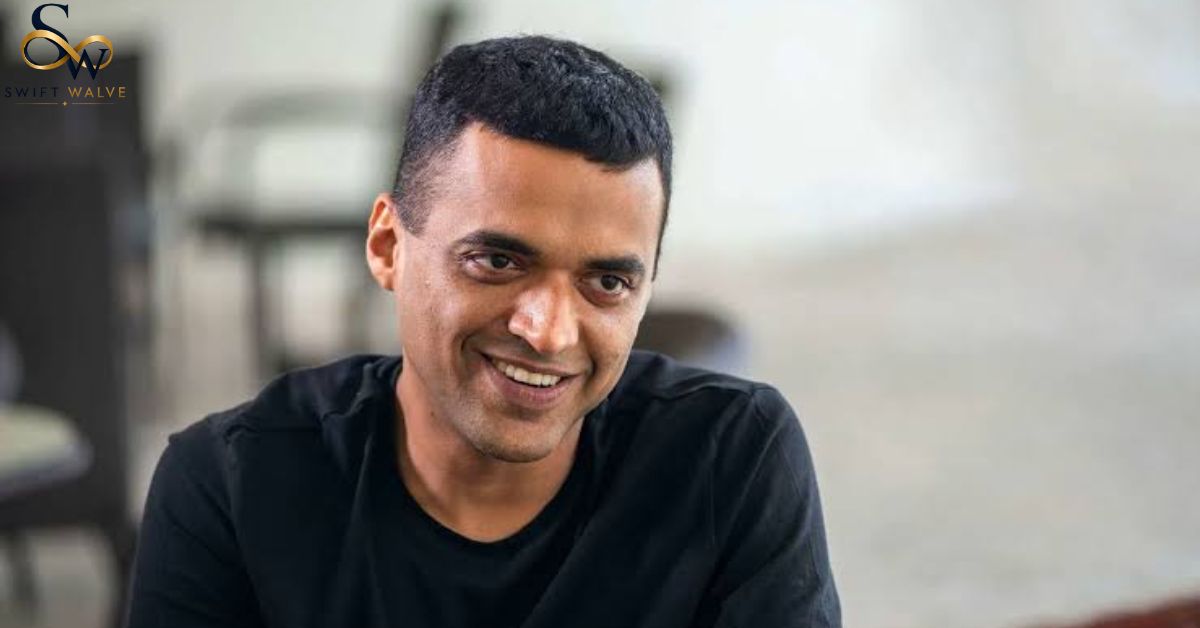

Deepinder Goyal is a successful Indian entrepreneur, co-founder, and former leader of Zomato, one of the world’s leading food-tech companies. Born in Punjab, India, he studied Mathematics and Computing at IIT Delhi and started his professional journey at Bain & Company. His innovative thinking led to the creation of Foodiebay, which later became Zomato and transformed online restaurant discovery.
The search term deepinder goyal wikipedia highlights interest in his biography, education, career growth, and achievements. From building a global food delivery platform to shaping India’s startup ecosystem, Deepinder Goyal’s journey reflects creativity, leadership, and technology-driven entrepreneurship.
Early Life and Education
Deepinder Goyal is one of the most recognized names in the global food-tech industry and a successful Indian entrepreneur who transformed the way people discover restaurants and order food online. Born in Punjab, India, Deepinder Goyal grew up with a strong interest in mathematics, problem-solving, and technology. His journey from a small-town background to becoming the Zomato founder is an inspiring example of how innovation and determination can reshape an entire industry.
Deepinder completed his early education in Punjab before moving toward one of India’s most prestigious institutions, the Indian Institute of Technology Delhi (IIT Delhi). He studied Mathematics and Computing, a field that helped him develop strong analytical thinking and technical skills. His education at IIT Delhi played an important role in building the foundation for his future career in technology and entrepreneurship.
During his college years, Deepinder developed an interest in solving practical problems through technology. Instead of focusing only on traditional career paths, he explored ways digital platforms could make everyday tasks easier for millions of people. This mindset later became the driving force behind creating a platform that would change the restaurant and food industry.
After graduating from IIT Delhi, Deepinder started his professional career at Bain & Company, a global management consulting firm. Working at Bain exposed him to business strategy, market analysis, and organizational challenges. This experience gave him valuable insights into how companies operate and how technology can improve customer experiences.
While working at Bain & Company, Deepinder noticed a simple but common problem. Employees often struggled to find restaurant menus while deciding where to eat. At that time, restaurant information was not easily available online, creating inconvenience for customers. This small observation became the starting point of an idea that would eventually grow into Zomato, one of the world’s leading food delivery platforms.
His early life and education show that successful entrepreneurship often begins with curiosity. Deepinder did not start with a massive business plan. Instead, he identified a daily problem and created a solution that connected technology, restaurants, and customers.
Founding Zomato:
The story of Zomato founder Deepinder Goyal began in 2008 when he and his colleague Pankaj Chaddah launched a platform originally called Foodiebay. The idea was simple but powerful: create an online space where people could easily access restaurant menus, reviews, and information.
At that time, most restaurants still depended on printed menus and traditional marketing methods. Customers had limited options when searching for dining places. Deepinder and Pankaj recognized that the internet could solve this gap by creating a digital restaurant discovery platform.
The early version of Foodiebay focused mainly on restaurant menu digitization. The founders collected restaurant menus, converted them into digital formats, and made them available online. This approach helped customers save time while giving restaurants a stronger online presence.
The platform quickly gained attention because it solved a real consumer problem. Instead of calling multiple restaurants or visiting different locations, users could search for restaurants, compare options, and read reviews from one place. This customer-focused approach helped the company build trust among users.
In 2010, Foodiebay was renamed Zomato. The new name reflected the company’s broader vision of becoming more than just a menu listing website. Deepinder wanted to build a complete ecosystem around food discovery, dining experiences, and restaurant services.
The growth of Zomato was closely connected to India’s expanding digital economy. As internet access and smartphone usage increased, more people started using online services for everyday needs. Zomato positioned itself at the right time to benefit from this digital transformation.
| Year | Major Milestone |
| 2008 | Foodiebay was launched as a restaurant discovery platform |
| 2010 | Foodiebay became Zomato |
| 2011 onwards | Zomato expanded into international markets |
| 2021 | Zomato completed its Initial Public Offering (IPO) |
As the company grew, Zomato expanded beyond restaurant listings and entered the online food ordering and delivery market. This transformation turned Zomato from a restaurant information website into a complete food-tech company serving millions of customers.
Deepinder’s ability to recognize changing consumer habits helped Zomato become a major player in the Indian startup ecosystem. His journey represents how a simple idea, when combined with technology and strong execution, can become a global business.
Expansion and Evolution of Zomato Under Deepinder Goyal’s Leadership
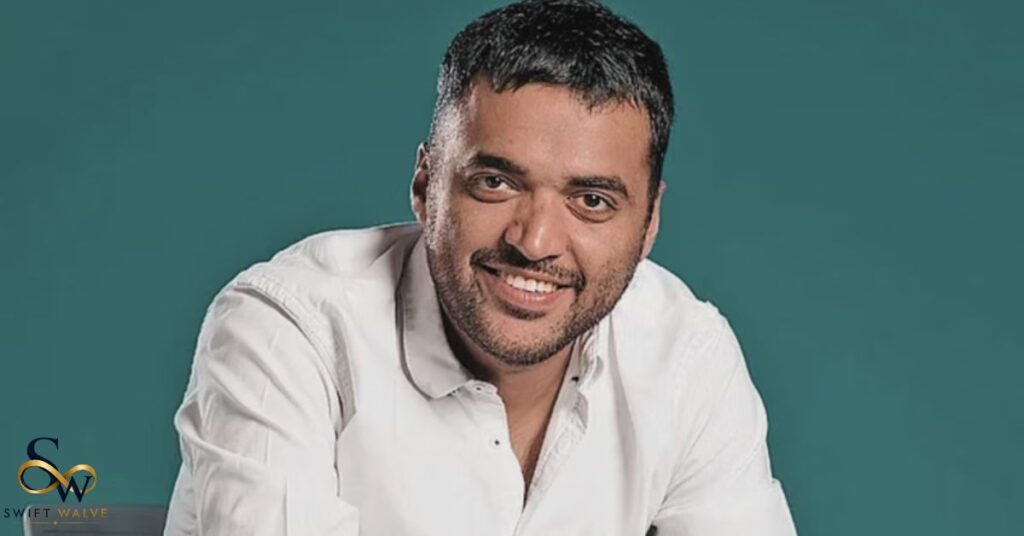
The evolution of Zomato reflects the changing landscape of the global food industry. Under the leadership of Deepinder Goyal, the company moved from a restaurant discovery service into a diversified technology platform offering multiple food-related services.
After establishing a strong presence in India, Zomato began its international expansion by entering several global markets. The company expanded into countries across Asia, the Middle East, and other regions, eventually reaching more than 20 markets. This international growth helped Zomato become recognized as a global tech unicorn with ambitions beyond the Indian market.
One of the biggest changes in Zomato’s journey was entering food delivery. The company understood that customers wanted convenience, speed, and digital solutions. By connecting restaurants, delivery partners, and customers through technology, Zomato created a powerful food delivery platform.
However, Zomato did not depend on only one revenue stream. The company introduced several products and services designed to strengthen its ecosystem. Programs like Zomato Gold and later Zomato Pro focused on dining memberships, offering customers special benefits at partner restaurants. These services helped improve customer retention and encouraged users to engage more frequently with the platform.
Another important business move was the launch of Hyperpure, a supply platform designed to provide high-quality ingredients and supplies to restaurants. This step showed Zomato’s effort to support restaurant partners while building a stronger business network.
The company also introduced Intercity Legends, a service focused on allowing customers to order popular dishes from famous restaurants in different cities. This idea expanded the meaning of food delivery by connecting people with unique food experiences beyond their local area.
Deepinder Goyal’s approach has always focused on using technology to understand customer behavior. Through data-driven leadership, Zomato analyzes user preferences, restaurant performance, and market trends to improve services.
The company’s journey demonstrates how a startup can evolve by adapting to market changes. Zomato’s growth was not only about delivering food; it was about building a complete digital food ecosystem that connects millions of people with restaurants every day.
Challenges and Strategy:
Building a global company in the food-tech sector has never been an easy journey. Deepinder Goyal, as the Zomato CEO, faced several challenges while transforming Zomato from a restaurant discovery website into a large-scale food delivery platform. The company had to deal with intense competition, changing customer expectations, operational difficulties, and financial pressure.
One of the biggest challenges came from the rise of competitors like Swiggy, which created strong competition in India’s online food ordering market. Both companies competed for customers, restaurant partners, and delivery workers. This competition pushed Zomato to continuously improve its technology, delivery network, and customer experience.
However, Deepinder focused on long-term growth rather than short-term wins. Instead of competing only through discounts, Zomato worked on improving efficiency, building customer loyalty, and creating additional business opportunities. This strategy helped the company move toward a more balanced business model.
Profitability remained another major concern for Zomato and the wider food delivery industry. Food delivery businesses often operate with thin margins because they must manage delivery costs, restaurant commissions, technology expenses, and customer incentives. Deepinder understood that sustainable growth required more than just increasing orders. It required better cost management and smarter operations.
Zomato also faced regulatory pressures as the food delivery sector expanded. Issues related to restaurant commissions, delivery partner earnings, and industry practices required careful handling. The company had to maintain relationships with restaurants, customers, government authorities, and gig workers.
To handle these challenges, Zomato adopted a strategy based on revenue diversification. Instead of depending only on food orders, the company explored different areas including dining memberships, restaurant supplies, logistics solutions, and technology services.
| Challenge | Strategic Response |
| Strong competition from Swiggy | Improved services, technology, and customer experience |
| Profitability concerns | Focused on operational efficiency and sustainable growth |
| Changing consumer habits | Expanded digital services and personalized experiences |
| Restaurant industry challenges | Built stronger partnerships and support systems |
| Delivery network management | Improved logistics and technology solutions |
A major turning point came with Zomato’s Initial Public Offering (IPO) in 2021. The Zomato IPO became one of India’s most talked-about technology listings and marked an important moment for the Indian startup ecosystem. The company became publicly listed on the Bombay Stock Exchange, showing investor confidence in India’s growing digital economy.
Deepinder’s business approach reflects agile leadership, where decisions are adjusted according to market conditions. Instead of following a fixed plan, he allowed Zomato to experiment, learn, and evolve. This ability to adapt became one of the company’s strongest advantages.
The journey of Zomato proves that successful businesses are not built without obstacles. Challenges often reveal the strength of leadership, and Deepinder Goyal’s ability to navigate uncertainty helped Zomato remain one of the most influential food-tech companies in India.
Leadership Style and Vision of Deepinder Goyal as Zomato CEO

Leadership plays a major role in determining the direction of any company, and Deepinder Goyal’s leadership style has become a significant part of Zomato’s identity. As the Chief Executive Officer, he has focused on innovation, customer understanding, and building a company culture that encourages experimentation.
One of the most noticeable qualities of Deepinder’s leadership is his problem-solving mindset. He does not view technology as just a business tool; instead, he sees it as a way to solve everyday challenges. From restaurant discovery to food delivery, each stage of Zomato’s growth started with understanding what customers and businesses actually needed.
His leadership reflects a combination of technology, business strategy, and consumer psychology. By using data and customer insights, Zomato has been able to improve recommendations, delivery systems, and restaurant partnerships. This approach is known as data-driven leadership, where decisions are supported by real information rather than assumptions.
Deepinder also believes in taking calculated risks. Creating a company in a competitive market requires confidence and the ability to make difficult decisions. Throughout Zomato’s journey, he has introduced new services, entered new markets, and invested in areas that could strengthen the company’s future.
A key part of his vision has been building a complete food ecosystem. Instead of limiting Zomato to restaurant searches or food delivery, he expanded the company into multiple areas such as:
| Business Area | Purpose |
| Restaurant discovery | Helping users find restaurants and reviews |
| Food delivery | Connecting customers with restaurants |
| Zomato Pro | Providing dining benefits and memberships |
| Hyperpure | Supporting restaurants with supplies |
| Technology solutions | Improving restaurant operations |
This broader vision helped Zomato become more than a delivery application. It became a platform connecting restaurants, customers, delivery partners, and food businesses.
Deepinder’s communication style has also attracted attention because he often shares thoughts about entrepreneurship, business decisions, and company challenges. His openness about failures and lessons reflects a modern approach to leadership.
In the fast-changing technology industry, flexibility is essential. Deepinder Goyal’s journey shows that strong leadership is not only about making successful decisions; it is also about learning from mistakes, adapting quickly, and continuing to build toward a larger vision.
Social Impact and Initiatives:
While Zomato is mainly known as a food-tech company, its impact extends beyond business growth. Under Deepinder Goyal’s leadership, the company has invested in initiatives focused on social responsibility, food access, sustainability, and support for communities.
One of the most important initiatives connected with Zomato is Feeding India. The program focuses on reducing hunger and food waste by creating solutions that help provide meals to people who need them. Through partnerships and awareness campaigns, Feeding India has worked toward improving food distribution and encouraging responsible consumption.
Food waste is a global issue, especially in large cities where restaurants and events often generate excess food. By addressing this challenge, Zomato has used its platform to create awareness about responsible food practices.
Another important area is rider welfare. Delivery partners are a crucial part of the food delivery ecosystem, and Zomato has worked on improving support systems for its delivery workforce. Issues such as safety, earnings, insurance, and working conditions have become increasingly important as the gig economy grows.
The company has also shown interest in sustainable delivery practices. With environmental concerns increasing worldwide, food delivery companies are exploring ways to reduce their carbon footprint. Eco-friendly packaging, responsible delivery methods, and better resource management are becoming important parts of the industry.
| Social Area | Initiative |
| Hunger reduction | Feeding India programs |
| Delivery partner support | Rider welfare initiatives |
| Environment | Sustainable delivery practices |
| Food responsibility | Reducing food waste |
Deepinder’s approach highlights the idea that modern businesses should create value beyond profits. Companies operating in today’s digital economy are increasingly judged by their social impact and responsibility.
Through these initiatives, Zomato has shown how technology platforms can address real-world problems. The company’s journey reflects a broader shift in the Indian startup ecosystem, where entrepreneurs are focusing not only on growth but also on creating meaningful change.
(Part 3 continues with Recognition and Influence + Conclusion + Final SEO sections)
Recognition and Influence:

The success story of Deepinder Goyal has earned recognition not only in India but also across the global technology and entrepreneurship community. As the Zomato founder and Zomato CEO, he has become an influential figure in the modern startup world, inspiring thousands of young entrepreneurs who want to build technology-driven businesses.
Deepinder’s journey represents the growth of India’s digital economy. From creating a simple restaurant menu platform to building a globally recognized food-tech company, his career shows how innovation can transform traditional industries. His work has helped change the way millions of people discover restaurants, order meals, and interact with food businesses.
Over the years, Deepinder has appeared on several influential lists and received recognition for his contribution to business and technology. His achievements highlight the growing importance of Indian entrepreneurs in the global market.
| Recognition | Contribution Highlighted |
| Forbes India Tycoons of Tomorrow | Recognized for entrepreneurial success and business leadership |
| GQ Most Influential Indians | Honored for influence in technology and entrepreneurship |
| Economic Times 40 under 40 | Recognized among young business leaders shaping India’s future |
These recognitions reflect more than personal success. They represent the rise of India’s startup culture and the increasing role of technology in everyday life. Deepinder became part of a generation of founders who proved that Indian companies could compete on an international level.
His influence extends beyond Zomato. Many young founders look at his journey as an example of how to identify problems, build solutions, and scale businesses. The story of Zomato shows that successful entrepreneurship is not only about having an idea; it requires patience, adaptability, and the ability to understand changing customer needs.
The Zomato IPO was another major milestone that increased Deepinder’s influence in the business world. When Zomato became a publicly listed company on the Bombay Stock Exchange, it represented a significant moment for Indian technology startups. The listing showed that digital businesses from India could attract large-scale investor interest.
Deepinder’s contribution also highlights the importance of technology in connecting people and businesses. Through Zomato, restaurants gained digital visibility while customers received easier access to dining options. This connection helped accelerate the growth of the online food ordering and delivery industry.
As a modern Indian entrepreneur, Deepinder Goyal represents a new generation of business leaders who combine technology, creativity, and customer-focused thinking. His career continues to influence the direction of India’s startup ecosystem and inspire future founders around the world.
Deepinder Goyal Wikipedia:
When people search for deepinder goyal wikipedia, they are often looking for more than basic biography details. They want to understand the person behind Zomato’s success, including his mindset, values, and approach toward business.
Deepinder Goyal has built his career around solving problems through innovation. Unlike traditional business models that focus only on selling products, his approach has centered on creating useful platforms that connect different groups. Zomato connects customers searching for food, restaurants looking for growth, and delivery partners providing essential services.
His business philosophy focuses heavily on customer experience. From the beginning, Zomato’s goal was not simply to create another website or application. The vision was to make food discovery easier and more convenient. This customer-first approach became one of the strongest foundations of the company.
Deepinder has often emphasized the importance of experimentation in business. In the technology sector, markets change quickly, and companies must adjust their strategies to survive. His leadership style reflects this belief through continuous improvement, product development, and strategic expansion.
A major part of Zomato’s future vision involves building a wider ecosystem around food and technology. The company has explored areas such as:
| Area | Future Opportunity |
| Food delivery | Faster and smarter delivery experiences |
| Restaurant technology | Better digital tools for businesses |
| Logistics | More efficient supply networks |
| Sustainability | Environment-friendly operations |
| Data technology | Personalized customer experiences |
The company’s expansion into services like Hyperpure demonstrates this broader vision. Instead of focusing only on customers, Zomato also works to support restaurant owners by improving their supply chain and operations.
Deepinder’s career also represents the changing definition of entrepreneurship. Today’s successful founders are not only business owners; they are problem solvers, technology creators, and community builders. His journey from working at Bain & Company to leading one of India’s biggest technology companies shows how professional experience combined with creativity can create extraordinary results.
The story of Deepinder Goyal is still developing. As the food-tech industry continues to evolve, his leadership and decisions will likely influence how digital platforms operate in India and other international markets.
Read More: Nyrraa Banerjii
Conclusion:
The journey of Deepinder Goyal is one of the most inspiring examples of modern entrepreneurship. From his early days in Punjab, India, to studying at IIT Delhi and working at Bain & Company, every stage of his career contributed to the creation of one of the world’s most recognized food technology platforms.
As the Zomato founder, Deepinder identified a simple but important problem: people needed an easier way to discover restaurants and access food information. That idea became Foodiebay, which later transformed into Zomato. Through innovation, persistence, and strong business decisions, he turned a small startup into a global food delivery platform operating across multiple markets.
Zomato’s growth story shows the importance of adapting to change. The company successfully moved from a restaurant discovery platform to online food ordering, dining memberships, restaurant supply services, and technology solutions. Products like Zomato Gold, Zomato Pro, Hyperpure, and Intercity Legends demonstrate how the company continued evolving with customer needs.
However, the journey was not without difficulties. Competition from companies like Swiggy, profitability concerns, and regulatory challenges tested Zomato’s strategy. Through agile leadership and a focus on long-term growth, Deepinder helped the company navigate these challenges.
His influence goes beyond business achievements. Through initiatives like Feeding India, sustainability efforts, and support for delivery partners, Zomato has shown how technology companies can contribute to society.
For anyone researching deepinder goyal wikipedia, his story offers valuable lessons about innovation, risk-taking, and solving real-world problems. His career proves that successful companies often begin with a simple observation and grow through determination, creativity, and a clear vision.
Deepinder Goyal’s rise from an IIT Delhi graduate to the leader of a major global food-tech company reflects the power of entrepreneurship in today’s digital world. His journey continues to inspire future founders and represents the growing influence of India’s technology ecosystem on the global stage.
FAQs
1. Who is Deepinder Goyal?
Answer:
Deepinder Goyal is an Indian entrepreneur and the co-founder of Zomato, one of the world’s leading food-tech companies. He started Zomato in 2008 with Pankaj Chaddah after identifying the need for an online restaurant discovery platform. Before becoming the Zomato CEO, he worked at Bain & Company, where he gained valuable experience in business strategy and management.
2. What is Deepinder Goyal famous for?
Answer:
Deepinder Goyal is famous for founding Zomato and transforming it from a restaurant menu listing service into a global food delivery platform. His work in digital entrepreneurship helped change how people discover restaurants and order food online. He is considered one of the most influential figures in the Indian startup ecosystem.
3. What is Deepinder Goyal’s educational background?
Answer:
Deepinder Goyal studied at the prestigious Indian Institute of Technology Delhi (IIT Delhi), where he completed his degree in Mathematics and Computing. His technical education helped him develop strong analytical skills that later supported his journey as a technology entrepreneur.
4. When did Deepinder Goyal start Zomato?
Answer:
Deepinder Goyal started Zomato in 2008 along with Pankaj Chaddah. The company was initially launched as Foodiebay, a platform that provided digital restaurant menus and information. In 2010, Foodiebay was renamed Zomato as the company expanded its vision.
5. What was Zomato called before it became Zomato?
Answer:
Before becoming Zomato, the company was called Foodiebay. It started as a restaurant discovery platform focused on restaurant menu digitization before expanding into food delivery and other services.
6. Is Deepinder Goyal the CEO of Zomato?
Answer:
Yes, Deepinder Goyal has served as the Zomato CEO and played a major role in shaping the company’s growth strategy. Under his leadership, Zomato expanded into food delivery, dining services, restaurant supplies, and technology solutions.
7. What services does Zomato provide?
Answer:
Zomato provides several food-related services, including restaurant discovery, online food ordering and delivery, dining memberships, and restaurant supply solutions. Some of its well-known services include Zomato Pro, Hyperpure, and Intercity Legends.
8. When did Zomato launch its IPO?
Answer:
Zomato launched its Initial Public Offering (IPO) in 2021. The listing became a major milestone for India’s technology sector, and Zomato became one of the first major Indian internet companies to enter the public stock market through the Bombay Stock Exchange.
9. How did Deepinder Goyal make Zomato successful?
Answer:
Deepinder Goyal helped make Zomato successful by focusing on customer needs, technology innovation, and business expansion. His data-driven leadership approach allowed Zomato to improve user experience, develop new services, and compete in the growing food delivery market.
10. What is Deepinder Goyal’s role in India’s startup ecosystem?
Answer:
Deepinder Goyal is considered an important figure in India’s startup ecosystem because he built a globally recognized technology company from India. His journey has inspired many entrepreneurs to create digital businesses that solve everyday problems.
11. What social initiatives are connected with Zomato?
Answer:
Zomato is associated with social initiatives such as Feeding India, which focuses on reducing hunger and food waste. The company has also worked on areas like rider welfare, sustainable delivery practices, and eco-friendly packaging solutions.
12. What companies compete with Zomato?
Answer:
Zomato operates in a competitive food delivery market where companies like Swiggy compete for customers, restaurants, and delivery networks. This competition has encouraged both companies to improve technology, services, and customer experiences.
13. What is Deepinder Goyal’s contribution to the food-tech industry?
Answer:
Deepinder Goyal’s biggest contribution to the food-tech industry is creating a platform that connects restaurants and customers through technology. His work helped accelerate online food ordering, restaurant digitization, and digital entrepreneurship in India.
14. Why do people search for Deepinder Goyal Wikipedia?
Answer:
People search for deepinder goyal wikipedia to learn about his biography, education, career journey, Zomato’s history, business achievements, and his impact as an Indian entrepreneur. A Wikipedia-style overview helps readers understand his rise from an IIT Delhi graduate to a global startup leader.